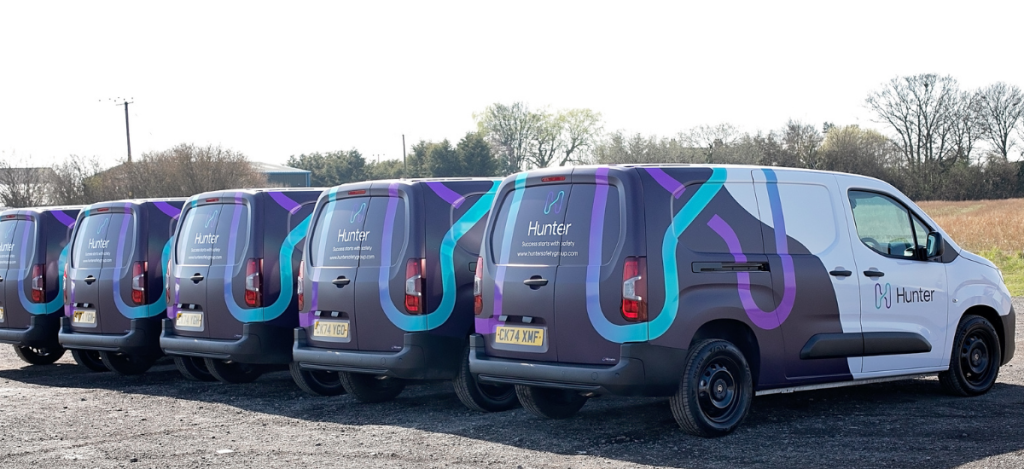
The key details that turn your van into a lead generator, not just a moving logo.
A vehicle wrap isn’t just branding; it’s one of the few marketing assets your business owns that works every day without ongoing spend. But for it to actually generate enquiries, the information on it needs to be carefully chosen. Too much detail and it becomes unreadable. Too little and it does nothing for your business. Here’s what should always be considered when planning a vehicle wrap.
1. Your Business Name and Logo (But Only If It’s Readable)
This sounds obvious, but many wraps fail because the logo is too small or overdesigned.
Your logo should be visible from:
across a road;
at a junction;
or when parked.
If someone can’t recognise your business in two seconds, the wrap isn’t doing its job.
Tip: High contrast colours work better than complex gradients or thin lettering.
2. A Clear Description of What You Do
Many businesses assume people already know what they do. They don’t.
A van with just a logo rarely generates leads. A van that clearly states its service does.
Examples that work:
Commercial Electricians
Emergency Drainage Services
Fleet Vehicle Specialists
Examples that don’t:
Taglines
slogans
vague brand statements
If someone sees your vehicle for three seconds in traffic, they should immediately understand what you offer.
3. One Strong Contact Method (Not Five)
The biggest mistake businesses make is adding every contact option they have.
Phone, website, email, social handles, QR codes, address… it becomes visual noise.
Instead, choose one or two primary contact route.
Usually:
Phone number for local trades or service businesses
Website for companies with broader reach or multiple services
The easier it is to act, the more enquiries you’ll get.
4. Location or Coverage Area (If It Matters)
If your business operates locally, this can increase trust and relevance instantly.
For example:
Serving Leeds and West Yorkshire
Nationwide Fleet Installations
Local Commercial Specialists
This helps potential customers quickly decide whether you’re relevant to them.
5. Design That Works at Speed
This isn’t technically “information”, but it determines whether any of the above is actually seen.
A vehicle wrap needs to work:
in motion
from a distance
in poor weather
in traffic
That means:
large text
strong contrast
minimal clutter
clear hierarchy (logo → service → contact)
If people have to read it, you’ve already lost them.
They should understand it instantly.
What You Don’t Need on a Vehicle Wrap
Most ineffective wraps include things like:
long service lists
email addresses
full social media handles
detailed taglines
multiple fonts or colours
These don’t help people remember you, they just dilute the message.
A good wrap is simple, confident and easy to absorb.
The Goal of a Vehicle Wrap
Your wrap doesn’t need to explain your business in full.
It just needs to do three things:
Make your brand recognisable
Make your service clear
Make it easy to contact you
If it achieves those, it will generate enquiries consistently.
Thinking About Updating Your Vehicle Branding?
If you’re unsure what should go on your vehicle or how to structure the design, the best starting point is usually a quick design consultation. That way, the layout, messaging and materials can all be planned properly before anything is printed or installed. Contact our team to discuss your options today.